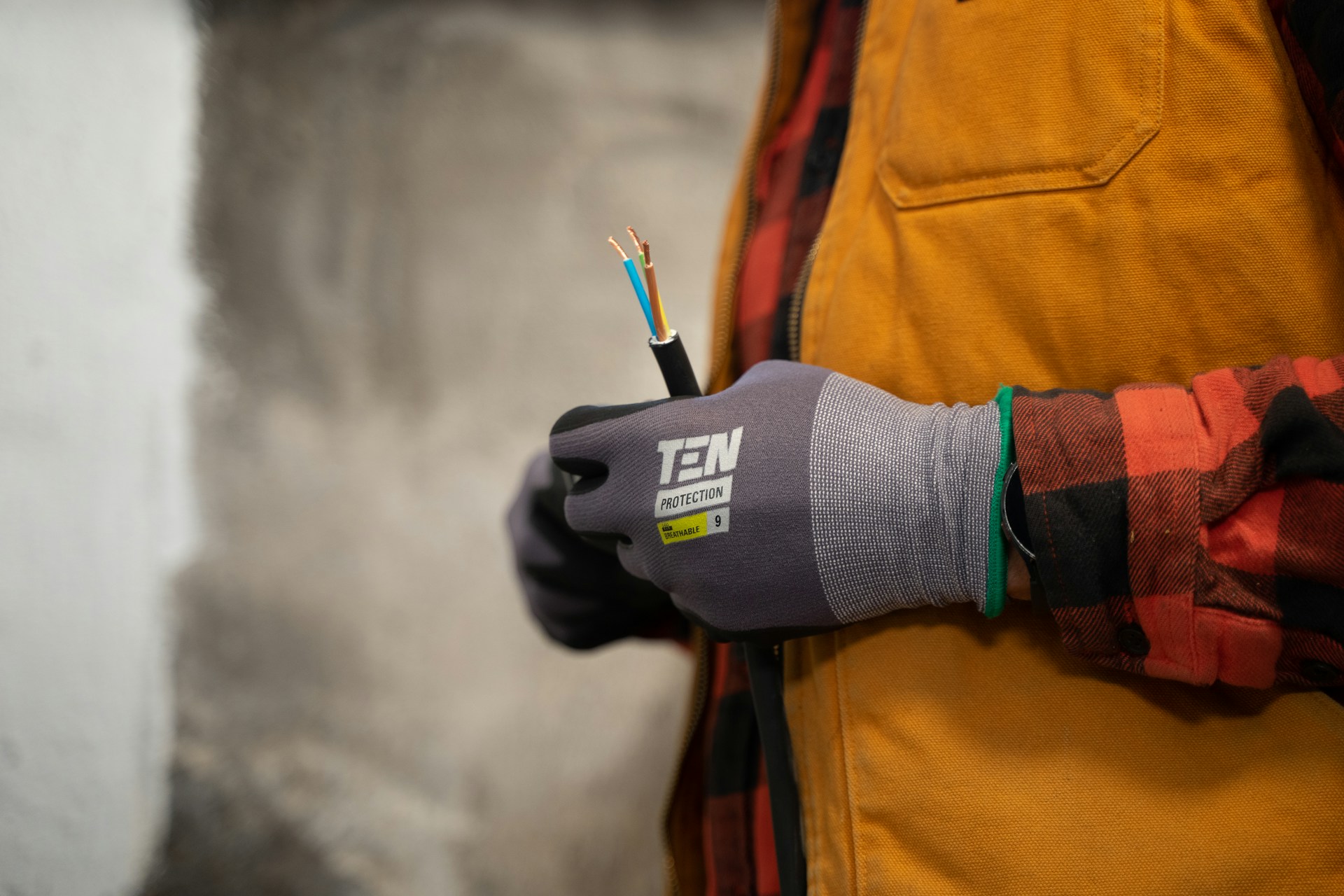
Most acreages in the County of Grande Prairie run on a well and pressure tank system. The wiring for that pump is not a weekend project. It needs a dedicated circuit, a proper control box, a pressure switch that talks to the tank, and protection against the -30C winters we see north of the Wapiti. Miss one piece and you lose water at the worst time. We handle the permits and the code side so you don’t have to guess.
What Dedicated Circuit Does My Submersible Pump Need?
A submersible pump pulls heavy current on startup. The Canadian Electrical Code requires a dedicated branch circuit for the pump motor. That means no sharing with the shop heater or the freezer in the basement. Typical residential wells around Clairmont or Sexsmith run on a 20 amp or 30 amp 240 volt breaker with 10 AWG or 8 AWG copper wire depending on the run length from the panel to the well head. Voltage drop over long acreage runs is real. A 200 foot run to a well near the bypass needs larger wire than a 50 foot run in Avondale. We size it to keep drop under three percent. If the wire is undersized the pump runs hot and fails early. Get a quote for the exact run.
How Does the Pump Control Box Work With the Pressure Switch?
The control box sits between the breaker and the pump motor. It holds the start capacitor, run capacitor, and relay for single phase submersible motors. The pressure switch mounts on the tank tee and sends a low voltage signal to the control box coil. When pressure drops to the cut in point (usually 30 psi or 40 psi) the switch closes the coil circuit and the relay pulls in to start the motor. When pressure hits cut out (50 psi or 60 psi) the switch opens and the motor stops. Wiring the switch wrong is common on DIY jobs. We see reversed leads, missing ground, or undersized control wire run in the same conduit as the motor leads. That induces noise and burns relays. Our pump and pressure system service includes correct control box mounting and switch wiring to CEC 2024 rules.
Why Is Low-Water Cutoff Wiring Critical for Peace Country Wells?
A dry well destroys a pump fast. A low water cutoff probe or sensor wired into the control circuit kills power before the motor overheats. In the Peace Country water tables shift with seasonal demand from agriculture and oilfield. A probe at the pump intake connected to a relay in the control box is the reliable method. Electronic sensors exist but fail more often in our mineral heavy water. The cutoff must be on a separate circuit from the pressure switch so it overrides a stuck switch. We install them on every new pump job. It adds maybe two hundred dollars to the bill and saves a two thousand dollar pump.
How Do I Protect My System From -30C Freezes and Power Surges?
The pressure tank and switch sit in a heated pump house or insulated pit. But the wire from the house panel to the well head crosses frozen ground. Use UF-B cable rated for direct burial or PVC conduit with THWN conductors. Seal the conduit entry at the well head with duct seal putty so cold air doesn’t chase the wire into the control box. Condensation inside the box corrodes terminals fast. For surges, the Peace Country grid sees transients from large motor starts on oilfield sites and from utility switching. A Type 2 surge protector at the main panel helps. A dedicated plug in surge strip at the control box adds another layer. Cost runs one fifty to three hundred installed. Cheap insurance.
What Do I Check When the Pump Won’t Start?
First, verify the breaker is on and not tripped. Reset it once. If it trips again, stop. You have a ground fault or a shorted motor. Second, check the pressure gauge. If it reads above cut out pressure the switch is satisfied. Open a tap to drop pressure. Third, listen at the control box. A click means the relay pulled in. No click means the pressure switch, control wire, or coil is bad. Fourth, if you have a multimeter, check voltage at the control box load terminals with the relay engaged. Two forty volts there but pump doesn’t run? Motor or drop pipe wire fault. No voltage? Trace back to the breaker. Do not swap capacitors guessing. A bad cap test needs a meter. Call us before you buy parts. We cover Wembley, Beaverlodge, Hythe, and all County acreages.
Permits and Inspections in the County of Grande Prairie
Alberta requires an electrical permit for any new circuit or motor install. The Safety Codes Council oversees this through accredited agencies. GP Electric pulls the permit, schedules the rough in and final inspections, and files the certificate. Homeowners can pull their own permit only if they do the work themselves on their primary residence. Acreages with a shop or second dwelling often need a contractor permit anyway. The permit fee runs one hundred to two hundred fifty dollars depending on valuation. We include it in the quote. Skipping the permit risks insurance denial if a fire starts in the pump wiring. The Alberta Safety Codes Act is clear on this.
When to Call GP Electric
If your pump cycles rapidly, the tank is waterlogged or the switch is misadjusted. If the breaker trips on startup, the motor or wire is failing. If you have no water and the gauge reads zero, the pump or drop pipe has a problem. We troubleshoot the electrical side, replace control boxes, rewire pressure switches, and upgrade panels for larger pumps. Our farm and acreage electrical team knows the local soil, the deep wells near the Costco area, and the long runs to properties past the bypass. Reach out through our contact page and we will book a service call.
Frequently Asked Questions
Do I need a permit for well pump wiring in the County of Grande Prairie?
Yes. The Alberta Safety Codes Act requires an electrical permit for any new motor circuit or control box installation. GP Electric pulls the permit and handles the inspections as part of the job.
Can I run my well pump on a shared circuit with my shop compressor?
No. The Canadian Electrical Code requires a dedicated branch circuit for well pump motors. Sharing causes voltage drop, nuisance tripping, and premature motor failure.
Why does my pressure switch click but the pump does not start?
The click means the switch contacts closed. If the pump does not run the problem is usually in the control box relay, the start capacitor, or the motor itself. We test voltage at the control box to pinpoint it.
How deep are typical wells around Beaverlodge and Hythe?
Most domestic wells in that area run one hundred to three hundred feet deep. Deeper wells need larger wire gauge to limit voltage drop over the long drop pipe run.
Should I install a surge protector on my well pump circuit?
Yes. The Peace Country grid experiences transients from oilfield motor starts and utility switching. A panel mount Type 2 protector plus a point of use strip at the control box costs one fifty to three hundred installed.
What size pressure tank do most acreages near Wembley use?
Forty to sixty gallon tanks are standard for residential acreages. Larger tanks reduce pump cycling but cost more and need more space in the pump house. We size it to the pump capacity and household demand.